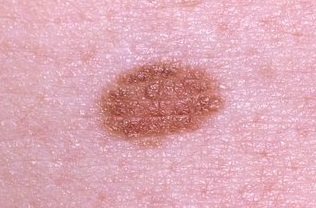
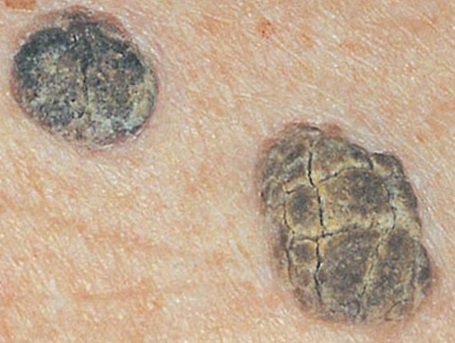
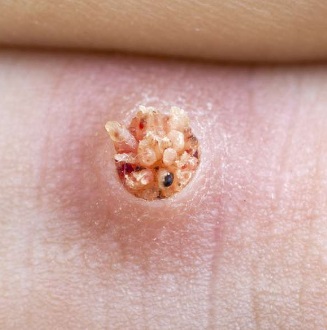
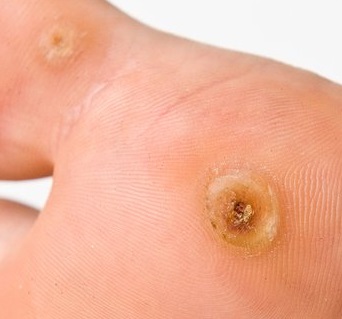
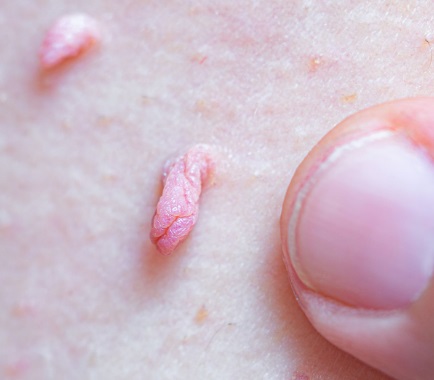
Benign Lesions on face and neck can be very obvious and distracting. And may cause significant distress.
Most of these lesions can be removed by a non surgical technique, which is the application of Liquid Nitrogen.
Cryotherapy: procedure, recovery & results
Understand what to expect before and after treatment. Your clinician will confirm the diagnosis, suitability and aftercare for your individual skin lesion.
What happens during the procedure?
After assessing the lesion and discussing suitability, your clinician applies a controlled freeze to the affected skin. Freezing commonly uses liquid nitrogen, although the device and freezing agent used at your appointment will be explained.
A freeze typically takes seconds; timing depends on the lesion’s size, thickness and location. The skin turns white, then thaws. More than one freeze–thaw cycle may be used. Stinging or burning can occur; local anaesthetic is not usually needed.
Expected side effects
Soreness, redness, swelling and sometimes itching can occur. A clear or blood-filled blister may develop, followed by crusting or a scab. These reactions can be part of the healing process.
Discomfort and swelling often ease over the first few days, while the surface takes longer to heal. Do not pick the scab or burst a blister without clinical advice.
Possible complications
Less common problems include infection, delayed healing, scarring and lasting changes in skin colour. Skin can become lighter or darker; the cosmetic risk should be discussed before treatment, particularly for darker skin tones.
Freezing close to a superficial nerve can occasionally cause numbness. It may take months for sensation to recover. Treatment may also be incomplete, or the lesion may return.
Downtime & healing
Downtime varies with the treatment site, depth and your usual activities. A blister or scab can remain visible while healing, even when you feel able to return to normal activities.
Many treated areas heal in around 1–3 weeks. Lower legs and deeper or larger treatment sites may take longer. Your clinician will advise about work, exercise and avoiding friction at the treated area.
Results & expectations
The aim is for the treated lesion to clear as the damaged tissue separates and the skin heals. Clearance is not immediate, and cosmetic changes can continue after the surface has healed.
Some lesions respond well; others persist or recur. Complete clearance, scar-free healing and a perfect colour match cannot be guaranteed. A persistent or changing lesion needs reassessment.
Will I need another session?
Possibly. Some small superficial lesions clear after one treatment, while others, particularly thicker lesions or warts, may need additional sessions.
The number and spacing of treatments depend on the diagnosis, site, response and healing. Your clinician will review progress before recommending another session or an alternative approach. There is no fixed course suitable for every lesion.
Aftercare & when to seek advice
Follow the clinic’s written aftercare instructions. Keep the area clean, avoid picking or rubbing, and use a simple dressing if clothing catches it. Your clinician may recommend petroleum jelly to support healing. Ask before applying products or makeup to broken skin.
Contact the clinic or your GP promptly if pain is increasing rather than settling, redness or swelling is spreading, there is pus, or you feel unwell. Seek advice about a large painful blister or a wound that is not healing as expected.
Further patient information: British Association of Dermatologists · NHS healing and repeat treatment information · NHS side effects · NHS aftercare
Cryotherapy prices
Visit our Prices page for guide fees. Your quotation will depend on the number, size and location of the lesions and the treatment plan agreed at consultation.